Houseplants rarely sulk in winter because of the cold. They sulk because we carry on watering them as though it were still August. A monstera that drank its pot dry in five days in June can sit in damp compost for a fortnight in December, and that is where root rot starts — quietly, out of sight, weeks before the yellowing leaves give the game away.
The fix is not to stop watering altogether. It is to slow down, check the compost rather than the calendar, and accept that a plant growing almost nothing needs almost nothing.
Why Winter Changes the Rules
Light is the fuel. With shorter days and weaker sun, most houseplants slow their growth or stop it entirely. Fewer new leaves means less water drawn up through the roots, so the compost stays wet for longer. A cool room makes this worse, because less evaporation happens from the surface of the pot.
Central heating adds a twist. Warm, dry air pulls moisture out of leaves, so a plant can look limp and sorry while its roots are sitting in soggy compost. Reaching for the watering can at that point is the single most common mistake. Limp leaves in winter are just as likely to mean too wet as too dry.
So expect to water less often — but still thoroughly when you do. Frequency drops; volume does not need to.
Four Checks Before You Pour
- Finger test. Push a finger into the compost up to the second knuckle, about 3cm. If it feels damp, walk away. For succulents and cacti, go deeper — 5cm or more — because the top layer dries misleadingly fast.
- Lift the pot. A dry 15cm pot of compost is surprisingly light. Once you have felt the difference a few times, this becomes the quickest test you own.
- Use a wooden skewer. Push a bamboo skewer or chopstick into the compost, leave it ten minutes, then pull it out. Damp compost clings to the wood. Clean and dry means it is safe to water.
- Look and sniff. Green film on the surface, fungus gnats drifting about, or a sour smell from the compost all point to compost that is staying wet too long.
Cheap moisture meters can help, but they vary and tend to drift, so treat them as a second opinion rather than the final word.
Match the Watering to the Plant
Slow growers and succulents
Snake plants, ZZ plants, aloes and most cacti can go six weeks or more between waterings in a cool, bright room over winter. Let the compost dry out almost completely, then water thoroughly and let it drain. If in doubt, wait another week.
Tropical foliage plants
Monsteras, pothos, philodendrons and rubber plants are more forgiving than people expect, but they still want the top few centimetres to dry between waterings. A peace lily will droop dramatically when it is ready — check the compost before assuming that droop means thirst.
Plants that are actively growing
Christmas cacti, cyclamen, amaryllis and anything under a grow light are still working through winter and need regular watering. Do not let these dry out completely, or buds will drop before they open.
Where the Pot Sits Matters
A plant on a windowsill behind a closed curtain on a January night can be sitting in air close to freezing, while the same sill in the afternoon sun can be genuinely warm. Move small pots onto a wooden board or a folded mat, or simply shift them a little further into the room after dark.
Keep plants clear of radiators, underfloor heating vents and draughty doorways. If the air is very dry, group plants together so they share the moisture they release, but leave a little space between leaves so nothing stays wet and stagnant. A tray of pebbles with water sitting just below the pot base raises humidity without turning the compost to sludge.
How to Water Well in Winter
Small, frequent sips are the worst of both worlds: the top of the pot stays wet while the lower roots go thirsty. Instead, water thoroughly until it runs out of the drainage holes, then empty the saucer after twenty or thirty minutes so the pot is never standing in water.
Use water at room temperature rather than straight from a cold tap, which can shock roots. Leaving a can to stand overnight also lets it warm up and lets chlorine dissipate. Ferns, calatheas and carnivorous plants prefer rainwater if you can collect it, as they dislike the minerals in hard tap water.
Water in the morning where possible. Any surplus has the day to drain away, and the compost is not left cold and wet overnight.
Telling Too Wet From Too Dry
Overwatered plants usually show yellowing lower leaves, soft or blackened stems, leaves that fall at the lightest touch, and compost that smells sour. Underwatered plants show crisp brown tips, curling leaves, and compost that has shrunk away from the sides of the pot. A plant that perks up within hours of watering was thirsty; one that gets worse was not.
If you suspect root rot, take the plant out of its pot, shake off the old compost and cut away any roots that are brown and mushy with clean secateurs. Repot into fresh, free-draining compost, keep it on the dry side, and hold off feeding until spring. Terracotta pots help here, because they let compost breathe.
A Simple Winter Routine
Pick one day a week to check your plants, not to water them. Go round with a skewer or your fingers, and water only the pots that actually need it. Most weeks, that will be a small fraction of your collection. Keep a note on your phone or a scrap of paper — the date you watered each plant — because memory is unreliable and a written record removes all the guesswork.
Resist the urge to feed. Growth has stopped, so fertiliser sits in the compost and can burn roots. Expect a few yellowing leaves on older plants; some leaf loss in winter is normal and not a sign that you are failing. If a plant is struggling, do less rather than more.
And if you are standing there with a full watering can, unsure whether that pot needs it, put the can down and check again tomorrow. Waiting has rescued far more houseplants than watering ever has.
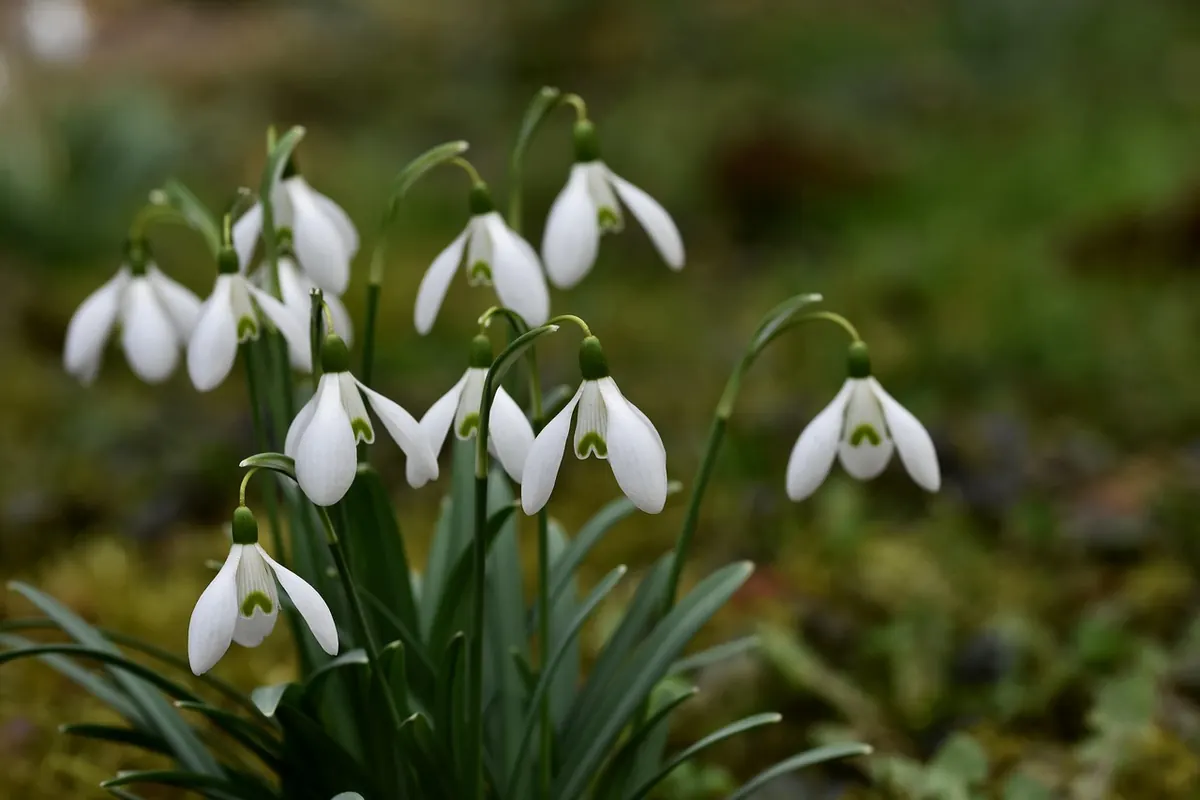
Photo: XxXddddddddd / Pixabay