British autumns are rarely tidy. One week you are picking the last tomatoes, the next the lawn squelches underfoot and the path has become a shallow stream. A wet season does not mean giving up and waiting for March, though. It means changing what you do, and just as importantly, what you leave alone.
Deal with the water before anything else
Walking on saturated soil is the most damaging thing you can do this month. Every step squeezes the air out of the soil structure, and heavy clay will take years to recover. If a bed is under water, leave it. If you must cross it, lay a plank or a couple of scaffold boards and work from those.
Where water sits for days at a time, the answer is rarely digging. Fork in garden compost when the soil is dry enough to crumble, and top-dress with more compost in spring so worms can work it down. For beds that flood every winter, raised beds or a gentle ridge of soil along the planting rows will do more good than any gadget. Persistent pools in a lawn usually point to compacted ground or a blocked drain rather than bad luck, so check gullies and soakaways before assuming the worst.
Roots, not cold, kill most winter losses. Lavender, rosemary, thyme, lavender cotton and alpines hate wet feet far more than frost, so give them grit, a slope or a pot they can drain through.
Quick fixes while the rain keeps coming
- Stand pots on bricks, pot feet or offcuts of timber so they never sit in a saucer of water. Empty saucers completely.
- Scrape a shallow channel with a draw hoe to lead standing water away from the crowns of plants.
- Mulch with two or three centimetres of compost or leaf mould, but keep it clear of stems and crowns.
- Move small pots under the eaves, into a cold frame or onto a sheltered shelf for the winter.
- Stop watering. Only greenhouse plants and anything under cover need a can now.
Slugs, snails and the damp brigade
Mild, wet autumns suit slugs perfectly. Seedlings, young wallflowers, hostas, delphiniums and anything newly planted are the first casualties, and damage often happens overnight. Rather than declaring war, put your effort where it counts.
What actually helps
- A ten-minute torch patrol after dark, with a bucket of salty water, is still the most effective method for a small garden.
- Copper tape around pots and raised-bed rims works while it is clean and bright; wipe it occasionally.
- Wool pellets, crushed shells or sharp grit around vulnerable plants create an unpleasant crawl.
- Beer traps, or half an orange or grapefruit placed cut-side down, collect their share overnight.
- Biological nematodes are useful in autumn while the soil is still warm and moist. Follow the supplier's instructions on soil temperature and watering in afterwards.
- Encourage the predators: frogs, toads, hedgehogs, ground beetles and thrushes. A log pile, a rough corner of long grass and a shallow dish of water all help.
Go carefully with slug pellets. Traditional metaldehyde products are no longer approved for outdoor use, and even the alternatives can be eaten by pets and wildlife. If you use anything, choose a ferric phosphate product approved for organic growing and read the label properly.
Fallen leaves: clear some, keep the rest
Leaves left on a lawn smother the grass, encourage moss and worms drag them down into the thatch. On paths and decking they turn into a slip hazard, especially on steps. Clear those areas regularly with a rake, or run the mower over them on a dry day and add the chopped result to the compost heap.
Elsewhere, leaves are one of the best free resources in the garden. Pack them into black bin bags with a few holes punched in, keep them damp, and stack them out of sight. Oak, beech and hornbeam take a couple of years to break down; sycamore and horse chestnut are quicker. The result is leaf mould, a fine mulch for woodland plants and a useful ingredient in seed compost.
Do keep leaves away from the crowns of alpines, small rock plants and anything fleshy or low-growing, where they trap moisture and cause rot. Ponds are another place to be careful: too many leaves sinking to the bottom feed algae and smell unpleasant in spring.
Planting bulbs in ground that squelches
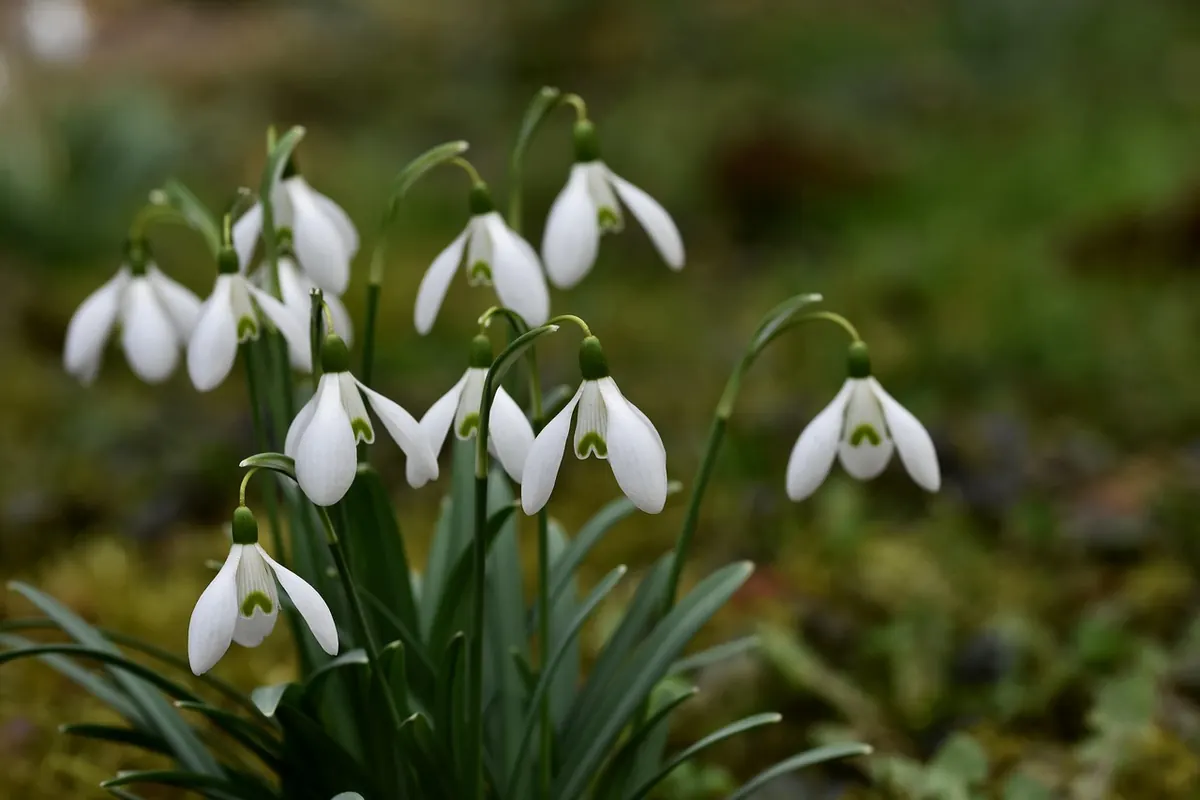
Bulbs rot in waterlogged soil, but that does not rule out a spring display. Daffodils, snowdrops, camassia, fritillaries and most alliums cope with a damp winter far better than tulips, which want sharp drainage and a baking summer. If your beds are hopeless, plant in pots instead.
Planting into wet soil, step by step
- Fork over the top 15cm without turning the soil upside down, and remove any weeds or stones.
- Fork in a bucket of garden compost and a couple of handfuls of horticultural grit per square metre.
- Set each bulb on a thin cushion of grit so water drains away from the base.
- Backfill with a mix of soil and grit, firm gently and water only if the ground is dry.
- Label the patch and mark it with short canes so you do not spear the bulbs while weeding in spring.
Plant at roughly two to three times the bulb's own height. In pots, use a loam-based compost with plenty of grit and stand the pot on feet so it never sits in water. Layering works well in a deep container: tulips at the bottom, daffodils in the middle, crocus or grape hyacinths near the top. Cover pots with mesh or a sheet of chicken wire if squirrels are a problem, and remove it once shoots appear.
Other jobs worth a dry hour
Cut back collapsing, soggy foliage that is smothering the crowns of perennials, but leave seedheads standing where you can. Teasels, echinacea and ornamental grasses feed birds and hold their shape through the worst of the weather. Clear fallen rose leaves and any mildewed foliage from around plants and bin them rather than composting, since disease spores survive the heap.
In the greenhouse, ventilation matters more than warmth. Open vents on mild days, water in the morning rather than the evening, and remove dead leaves before grey mould takes hold. On the lawn, stay off saturated grass, but aerate with a fork when conditions improve, and set the mower high for what may be the last cut of the year.
Trim hedges only when the foliage is dry, so you get a clean cut and avoid spreading disease. Bare-root trees, roses and hedging can go in while they are dormant, but not into a bog; wait for a dry spell or improve the planting hole with grit and compost first.
A dry hour well spent
If you get one bright afternoon this month, spend it on the jobs that protect next year's growth. Clear the paths and steps first, for safety. Lift the pots out of water. Bin any diseased leaves. Then plant your bulbs, in grit if the ground is wet, and leave the rest alone until spring.
A wet autumn is not a lost season. It is simply a slower one. Do what the weather allows, resist the urge to tidy everything, and the garden will come back stronger for being left in peace.
Photo: emminum / Pixabay